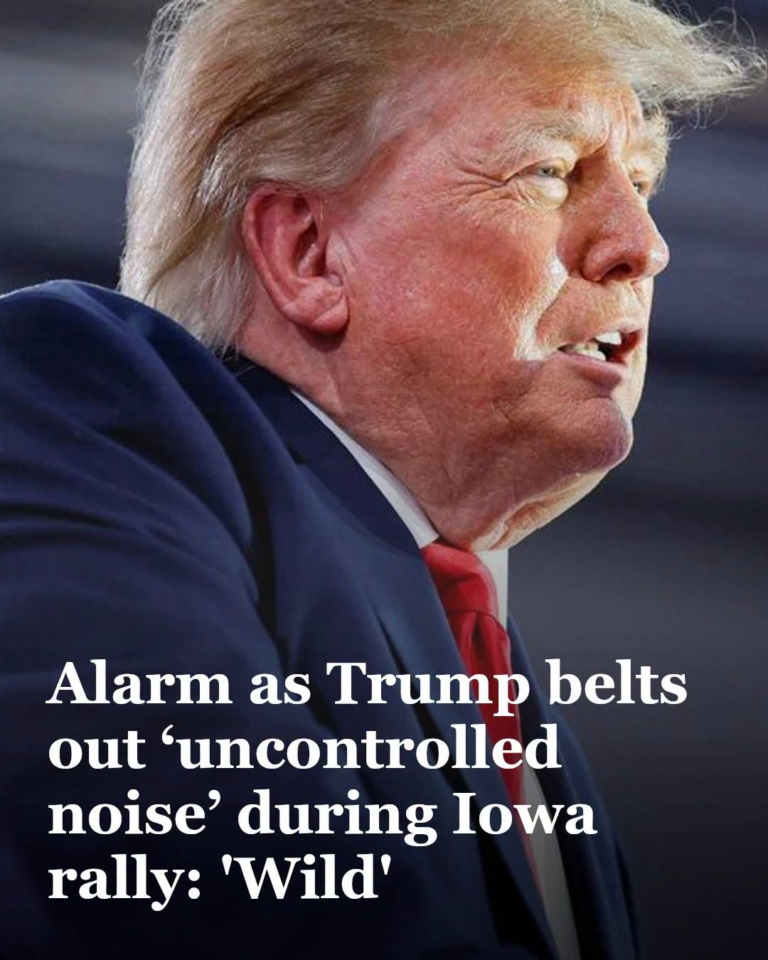
President Donald Trump raised the possibility of another U.S. military operation against Iran during a rally in Florida on Friday, October 23. He referred to the campaign by its military name, Operation Epic Fury, and said the United States might take further action or Iran might agree to a deal. The statement added fresh uncertainty to an already volatile conflict, but it did not announce a new order, target, or timetable.
The distinction matters. Trump’s words were a public warning and a signal of the administration’s position, not confirmation that another strike had been scheduled. Reuters reported that he did not elaborate on what a new operation might involve. As of Saturday, October 24, reports described active diplomacy and heightened security concerns, while no public announcement said that a fresh attack had begun.
The remarks came as the war approached its eighth month. The United States and Israel began strikes against Iran on February 28, and Iran responded with attacks on Israel and Gulf states hosting U.S. bases. The conflict has already brought substantial loss of life, displacement, and disruption across the region. Trump’s reference to “another” operation therefore points toward escalation or renewed action within an ongoing war, rather than a first entry into the conflict.
Trump presented diplomacy and military pressure as the two possible paths. He said Iran could agree to negotiations, while warning that the United States could launch another operation if it did not. The remarks did not spell out the terms of a proposed agreement or say what Washington would consider sufficient. That leaves a central question unanswered: what specific commitments would persuade the administration to hold back?
Diplomatic efforts to bring Washington and Tehran back to formal talks have continued, but AP described the war as being at a stalemate. A stalemate does not mean that fighting has stopped; it means the conflict has not produced a decisive outcome or a clear political settlement. Negotiators may still try to reduce risks, clarify demands, or establish conditions for talks even while military and economic pressure continues.
Trump’s language also followed earlier comments about timing. Reuters reported that he had said the United States would not launch an attack before the November 3 midterm elections. That statement is relevant, but it should not be treated as a guarantee about what happens afterward. The latest remarks kept the possibility of future action on the table without specifying when a decision could be made.
At the same time, a newly reported intelligence memo has raised concern about threats to American personnel. The Associated Press reported that Director of National Intelligence Jay Clayton told Secretary of State Marco Rubio that Iran had increased efforts to target U.S. personnel and that some plots had reached advanced stages. The memo did not identify specific targets or establish that an attack was imminent.
The security concerns have prompted staffing changes at U.S. diplomatic missions in the region. AP reported that the State Department was reducing staffing at embassies in Jordan, Lebanon, Qatar, and the United Arab Emirates, while those embassies remained open under restricted operations. Earlier in the week, nonessential personnel and family members were ordered to leave the U.S. Embassy and consulates in Saudi Arabia.
Officials have cautioned against connecting those staffing decisions directly to a new strike plan. The AP report said U.S. officials denied that the drawdowns were tied to potential new U.S. and Israeli strikes on Iran. Officials cited security threats, including Iranian plots and the risk of attacks by Yemen’s Houthi rebels. This distinction is important: a precautionary change at an embassy can reflect concern about threats without proving that military action is imminent.
The regional picture includes the Strait of Hormuz, a narrow but critical shipping route through which a large share of global oil and other goods travels. Iranian officials have warned about U.S. military activity and commercial shipping there. AP reported that Iran’s Revolutionary Guard navy threatened U.S. bases if Washington continued helping guide commercial ships through the strait. Any confrontation in or near the waterway could quickly affect shipping confidence and regional security.
Iran’s foreign minister, Abbas Araghchi, has also warned that further escalation around the strait or elsewhere could put civilians and the global economy at risk. Such statements reflect Tehran’s position and should not be confused with an independently verified prediction of what Iran will do next. In a crisis involving threats from both sides, public warnings can be intended to deter action, strengthen bargaining positions, or reassure domestic audiences.
Energy costs are one way the conflict reaches Americans far from the battlefield. Reuters reported that the war has pushed oil and gas prices higher around the world, while AP noted that energy costs have become a political concern in the United States. When shipping routes are threatened or markets fear supply disruptions, prices can move before any actual shortage occurs. Households may then feel the effects at the gas pump and through transportation costs.
Those economic pressures matter in an election year. With congressional control at stake in the November midterms, the administration faces political questions about the duration and cost of the war. Supporters may argue that pressure is necessary to protect U.S. interests or secure a stronger agreement. Critics may ask whether the goals are clear, how much the conflict could cost, and what Congress and the public have been told about the next steps.
Trump has said the war could end soon, but his public comments have left open different possible timelines. Reuters reported that he has discussed a quick end as well as the possibility of allowing the conflict to wind down gradually. These varying signals make it difficult for observers to know whether Washington is prioritizing a negotiated settlement, sustained pressure, or preparation for another phase of military action.
Iran has its own leverage and vulnerabilities. Its leaders can threaten retaliation, disrupt shipping, and refuse negotiations on terms they consider unacceptable. At the same time, the country faces the effects of sanctions, military damage, and wartime pressure. Neither side’s public statements alone reveal how much room exists for compromise behind closed doors, which is why concrete proposals and verifiable steps matter more than broad declarations.
For U.S. service members and their families, every possibility of expanded action carries human stakes. American forces and diplomatic personnel in the region may face heightened risks if the conflict widens. For civilians in Iran and neighboring countries, renewed strikes or retaliation could bring further deaths, displacement, and damage to infrastructure. The public should be careful with viral posts that show explosions or claim a strike has begun unless trusted reporting confirms it.
So what should readers take from the headline? Trump has publicly raised the prospect of another operation against Iran while saying a deal remains possible. Intelligence officials have warned of increased threats against Americans, and the State Department has changed staffing at several missions. Those facts show rising tension, but they do not establish that a new strike has been authorized or that a particular target has been selected.
The next indicators to watch are official statements from the White House and Pentagon, any public change in force posture, announcements from the State Department, and whether mediators can bring the two governments back to formal talks. Market movements may signal concern about risk, but they cannot by themselves prove that an attack is coming. Similarly, an embassy staffing reduction is a safety measure, not a military order.
In the near term, the central question remains whether the warning will help push negotiations forward or make the conflict harder to contain. A negotiated agreement would need clear terms, a way to verify compliance, and enough political support to endure. A renewed military operation, by contrast, could trigger retaliation and new costs across the region. Neither outcome is confirmed by the president’s rally remarks alone.
Trump’s words have placed the possibility of another Iran operation back at the center of public debate. The regional security warning and diplomatic stalemate make the moment serious, but the facts should be kept precise: the war is ongoing, threats have been reported, and the administration says Iran still has a choice to negotiate. As of October 24, no new U.S. strike was publicly confirmed. The next developments will depend on decisions that have not yet been announced.